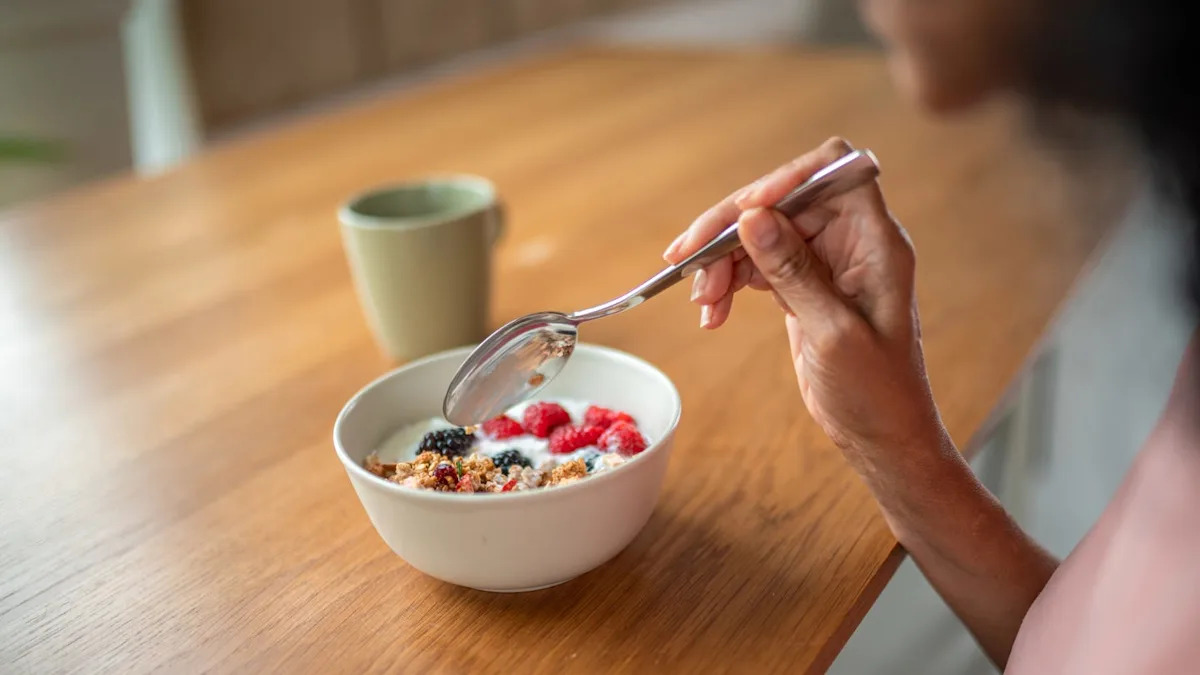
Whether or not you get enough sleep, nutrition is key for fueling your day. High-protein foods, in particular, make a difference when it comes to feeling satiated and, well, good. While a morning scramble is an easy way to get a boost (eggs boast 6 grams of protein and 13 essential vitamins and minerals), there are so many other foods that pack more protein than an egg.
“Our body uses protein for energy, as well as its amino acids for many essential functions of the body, such as the production of antibodies, enzymes, neurotransmitters, and hormones,” explains Brittany Michels, M.S., R.D.N., L.D.N., C.P.T., The Vitamin Shoppe’s registered dietitian and nutritionist. “Protein makes up the structure of every cell and tissue in the body, including our muscles, connective tissues, organs, hair, skin, and nails. The above sources are all supportive in meeting your daily protein needs.”
Cara Harbstreet, M.S., R.D., L.D., a registered dietitian and owner of Street Smart Nutrition, explains that amino acids in the nutrients are the “building blocks of life.”
Meet the experts: Cara Harbstreet, M.S., R.D., L.D., a registered dietitian and owner of Street Smart Nutrition; Lauren Harris-Pincus, M.S., R.D.N., author of The Protein-Packed Breakfast Club; Amy Lee, M.D., medical nutrition expert; and Natalie Rizzo, M.S., R.D., a New York-based dietitian
Lauren Harris-Pincus, M.S., R.D.N., author of The Protein-Packed Breakfast Club, says that there are plenty of high-protein, nutrient-dense foods to add to your plate. Ahead, nutrition experts share foods to eat to meet your goals, and we found the approximate protein per serving, per the United States Department of Agriculture (USDA).
Oatmeal
Start your morning with a delicious bowl of oatmeal. This popular and nutritious breakfast option is packed with protein—one cup of uncooked oats has 10 grams. And it’s chock-full of even more health benefits. Natalie Rizzo, M.S., R.D., a New York-based dietitian says: “Oats are known for having a special type of fiber called beta-glucan, which has been shown to reduce cholesterol levels.”
Protein value: 13 g (100 g)
Power up your protein: Overnight oats are all the rage, but have you tried baked oats? This version will be your new favorite morning meal.
Arx0nt – Getty Images
Chicken
This bird is one of the most versatile lean proteins with 25 g in just 4 ounces (about the size of your palm). It can stand alone as the base of a dish, or it makes a great addition to salads, soups, tacos, quesadillas, grain bowls—you name it! Harbstreet says chicken thighs are one of her most frequently used proteins for stir-frys, pasta dishes, grilling, salad, or other mixed dishes.
Protein value: 32 g (100 g)
How to serve it: Looking for a nutritious, simple, yet full of flavor chicken dish? Try our Poached Chicken With Herbed Rice and Tangy Pepper Relish.

mike garten
Cottage Cheese
Harris-Pincus recommends adding it to your routine for an easy dose of protein. With roughly 12 g of protein and 100 calories per ½ cup, it’s a satisfying midday snack and a great source of calcium. Harbstreet says she especially loves cottage cheese because it’s a high-protein dairy food that can be added to smoothies for extra thickness or a sauce for a mild flavor and creamy texture.
Protein value: 25 g (1 c, small curd, not packed)
How to serve it: Cottage cheese tastes great paired with fruit, but you can get creative with it. Try sneaking it into foods that are otherwise low in protein, like a cottage cheese pancake or topped on toast instead of your go-to avocado.

Michelle Arnold / EyeEm – Getty Images
Black Beans
You can always use more protein options that don’t require any cooking, and black beans fit the bill. Keep a few cans in your cupboard so you can drain and rinse when you’re ready to add them to tacos, nachos, and soup. Each ½ cup serving has 7 g of protein, about 100 calories, and 2 milligrams (mg) of iron, making them a good option for vegetarians and vegans.
Protein value: 8 g (1 c)
How to serve it: Level up the standard black bean with our Crispy Black Beans With Pepitas recipe.

tycoon751 – Getty Images
Tuna
This fatty fish serves up more than heart-healthy omega-3 fatty acids. A 3-ounce serving of raw tuna has 20 grams of protein, and one can of cooked tuna has a whopping 33 grams of protein. Either way, this tasty fish should be top of mind for restaurant ordering or pantry stocking.
Protein value: 43 g (0.5 filet)
How to serve it: Pack a tuna and cheddar wrap for lunch.

Lew Robertson – Getty Images
Pistachios
Michels recommends nuts as a protein source, while Harris-Pincus suggests pistachios in particular. Health benefits of pistachios abound. The nuts contain fiber and help boost heart health, making them a great addition to your menu. Just 2 ounces of the salty snack provides a whopping 12 grams of protein. And they make for a great bite between meals.
Protein value: 6 g (1 oz)
How to serve it: Enjoy them roasted with some salt as a snack, or make our Rigatoni With Pistachio-Crusted Fish and Spinach Quinoa for a protein-packed meal.

Getty Images
Tofu
Tofu is one of the most affordable and malleable proteins. Harris-Pincus recommends the soy-based option that takes on the flavor of any marinade, comes in a variety of textures, and can’t be over- or undercooked. A 3-ounce serving has 9 grams of protein and 90 calories, along with fiber, iron, and calcium if it’s fortified. Harbstreet says she loves that tofu comes in different varieties. Grab the silken kind and blend into soups or stews for an undetectable protein punch and extra creaminess, or the firm varieties to cube up and add to dishes in place of chicken or beef.
Protein value: 20 g (1 cup)
How to serve it: Try this sweet and sticky tofu noodle bowl or spiced tofu tacos—they’ll become your new favorites.

Mizina – Getty Images
Turkey
This bird isn’t just for Thanksgiving. Turkey may not get the same love as chicken, but its nutrition profile is pretty darn similar. With 25 grams of protein in a 4-ounce serving, it’s a nice alternative to chicken in virtually any dish.
Protein value: 24 g (per 3 oz)
How to serve it: Try something simple like this turkey tortilla soup from Teaspoon of Spice, which can be made in batches and frozen for lazy (but cozy) days.

LauriPatterson – Getty Images
Tempeh
If you’re unfamiliar, tempeh is a fermented soybean product with a chewy taste that mimics meat. It serves as the base for vegan sandwiches and makes a nice addition to Buddha bowls, with 170 calories and 16 grams of protein in a 3-ounce serving. Plus, the fermentation process creates good-for-your-gut probiotics.
Protein value: 31 g (1 c)
How to serve it: Tempeh can serve as the focal point of any vegan dish, so try it in this vegan tempeh burger or throw it into these tempeh lettuce wraps.

Gunawan Prasetyo – Getty Images
Greek Yogurt
One of the first high-protein foods that Harris-Pincus mentions, Greek yogurt is easy to add to your routine. It’s amazing how much protein can be packed into one snackable container. Just about 1 cup of plain low-fat Greek yogurt has a whopping 20 grams of protein for roughly 150 calories. You’ll also punch up your meal or snack with probiotics and calcium.
Protein value: 17 g (1 cup)
How to serve it: If the taste of plain Greek yogurt is too tangy for your liking, try using it as a replacement for sour cream in savory dishes, mix it into this spinach and yogurt dip, or mix it with fresh fruit.

Westend61 – Getty Images
Lentils
Lentils pack quite the nutritional punch, with 9 grams of protein in a ½ cup cooked serving. What’s more, you’ll get 8 grams of filling fiber, 3 mg of iron, and a healthy dose of potassium for around 115 calories.
Protein value: 18 g (1 c)
How to serve it: Switch things up and use lentils as the base for your grain bowl, toss them onto your salad, or blend them into red lentil hummus.

Westend61 – Getty Images
Milk
One thing good old cow’s milk has over your favorite almond milk? You get 8 grams of protein per 8-ounce serving. Not to mention, nine essential vitamins and minerals, including bone-building calcium and vitamin D. (If you’re vegan, soy milk contains about the same amount of protein!)
Protein value: 8 g (1 c)
How to serve it: If drinking a glass of milk doesn’t tickle your taste buds, opt for chocolate milk after a workout to maximize your recovery. Research suggests it might even reduce muscle soreness.

Brigitte Stanford / EyeEm – Getty Images
Quinoa
Looking to spruce up your meals? Add quinoa to your checklist. This nutty-flavored starch is full of nutritional value—including protein. A cup of cooked quinoa contains 8 grams of protein. Rizzo adds that it offers a slew of nutrients like zinc, magnesium, iron, and folate. This versatile ingredient can go from kitchen to table in under 15 minutes.
Protein value: 8 g (1 c)
How to serve it: Quinoa is excellent in soups, salads, and breakfast porridge.

ViewStock – Getty Images
Chickpeas
Whether you roast them for a snack or toss them into your salad, chickpeas are an excellent way to sneak in extra protein at nearly 15 grams per cooked cup, as well as fiber (12 grams) and iron if you prefer to skip out on beef (nearly 5 grams).
Protein value: 39 g (1 c)
How to serve it: Chickpeas are super versatile since they really take on any flavor you prefer. They taste amazing in an arugula and chickpea salad and kale and chickpea soup.

Anna Kurzaeva – Getty Images
Almonds
Almonds are a rich source of vitamin E, fiber, magnesium, and “good” unsaturated fat. One ounce of 23 almonds contains 6 grams of protein. This is equivalent to one large egg. Rizzo noted a study involving healthy adults showed consumption of almonds throughout the day reduced post-workout muscle fatigue with increased leg and lower back strength.
Protein value: 30 g (1 c, whole)
How to serve it: Almonds make an excellent go-to snack whether you’re eating them alone or adding to oatmeal. Satisfy your sweet tooth with an Almond-Rosemary Brittle recipe!

Burcu Atalay Tankut – Getty Images
Salmon
Harbstreet says fresh or frozen salmon is a frequently used protein for all kinds of dishes. The seafood provides key nutrients like omega-3 and omega-6 fatty acids, iron, choline, vitamin B12, vitamin D, selenium, and of course, lots of protein. A 3.5-ounce serving of salmon has nearly 20 grams of protein, with less saturated fat than many meat options, according to the United States Department of Agriculture.
Protein value: 80 g (1 filet)
How to serve it: A pan-seared fillet with rice and veggies is always a great weeknight meal, but try one of our best salmon recipes to mix up your menu.

SimpleImages – Getty Images
How to add more protein to your diet through food
Harris-Pincus says to start with breakfast. “[It’s] the time of day that’s more difficult for people to reach the minimum recommended 20 grams of protein,” she says. She recommends making oatmeal with ultra-filtered milk and Greek yogurt on top. Or “make a cottage cheese parfait with fruit and pistachios. Try overnight oats with ultrafiltered milk, Greek yogurt, chia seeds, fruit, and nuts. Scramble eggs with cottage cheese stirred in to make for creamier, fluffier eggs with more protein,” she says.

On – Hearst Owned
How much protein do you need?
This can vary greatly depending on your age, gender, body weight, and lifestyle, Harbstreet says. “That could range from as little as 10 to 15 grams per snack, up to more than 30 grams per meal. It’s best to personalize your intake to your unique needs, which is something a registered dietitian can help you with,” she says.
Harris-Pincus says, “As a point of reference, when building a well-balanced meal, aim for ¼ of the plate to contain lean protein, ¼ whole grains, and ½ fruits and veggies.”
Generally, if you feel full and satisfied after eating and in between meals, that’s a great start, Harbstreet says. But if you’re finding yourself hungry or having difficulty recovering after workouts, illness, or injuries, you may need to increase your protein intake or change up the timing you’re consuming protein-packed foods, she adds.

Hearst Owned
Is there anyone that should not add more protein to their diet?
Michels says those with decreased kidney or liver function should avoid a high-protein diet so as not to put strain on the organs.
On – Hearst Owned
You Might Also Like