The bulk of current research on plant-based diets indicates that the lifestyle choice supports a healthy cardiovascular system. However, one new study suggests that these positive benefits may depend heavily on the way those plant-based foods are made.
In December, researchers from France published their findings in the medical journal The Lancet Regional Health after investigating the difference between the health impacts of plant-based diets that are rich in minimally processed plant-based foods and those that rely heavily on ultra-processed plant-based items.
Ultra-processed foods are defined using the Nova food classification system, which places products into four groups: foods that are completely un-processed or minimally processed (which can include the removal of inedible or unwanted parts, in addition to processes like roasting, boiling, or pasteurization); foods that are considered processed culinary ingredients (foods that are still close to their natural state, such as oils, butter, lard, table sugar, honey, and salt); foods that contain added salt, sugar, and oil (such as vegetables in brine, fruits in syrup, canned and cured fish, breads, and cheeses); and ultra-processed foods (which are made from whole foods and combined with additives or synthetic materials).
Stockah / Getty Images
To determine how ultra-processed plant-based foods might affect someone’s health, the team used data collected from 63,835 adults who were enrolled in the French NutriNet-Santé cohort. This large-scale project followed participants for an average of 9.1 years, with the volunteers regularly documenting what they ate and drank through questionnaires.
This data, the research team outlined in a press release, “made it possible to distinguish between three types of diets by comparing the proportion of plant-based to animal-based products and by considering not only their nutritional quality but also their level of industrial processing.”
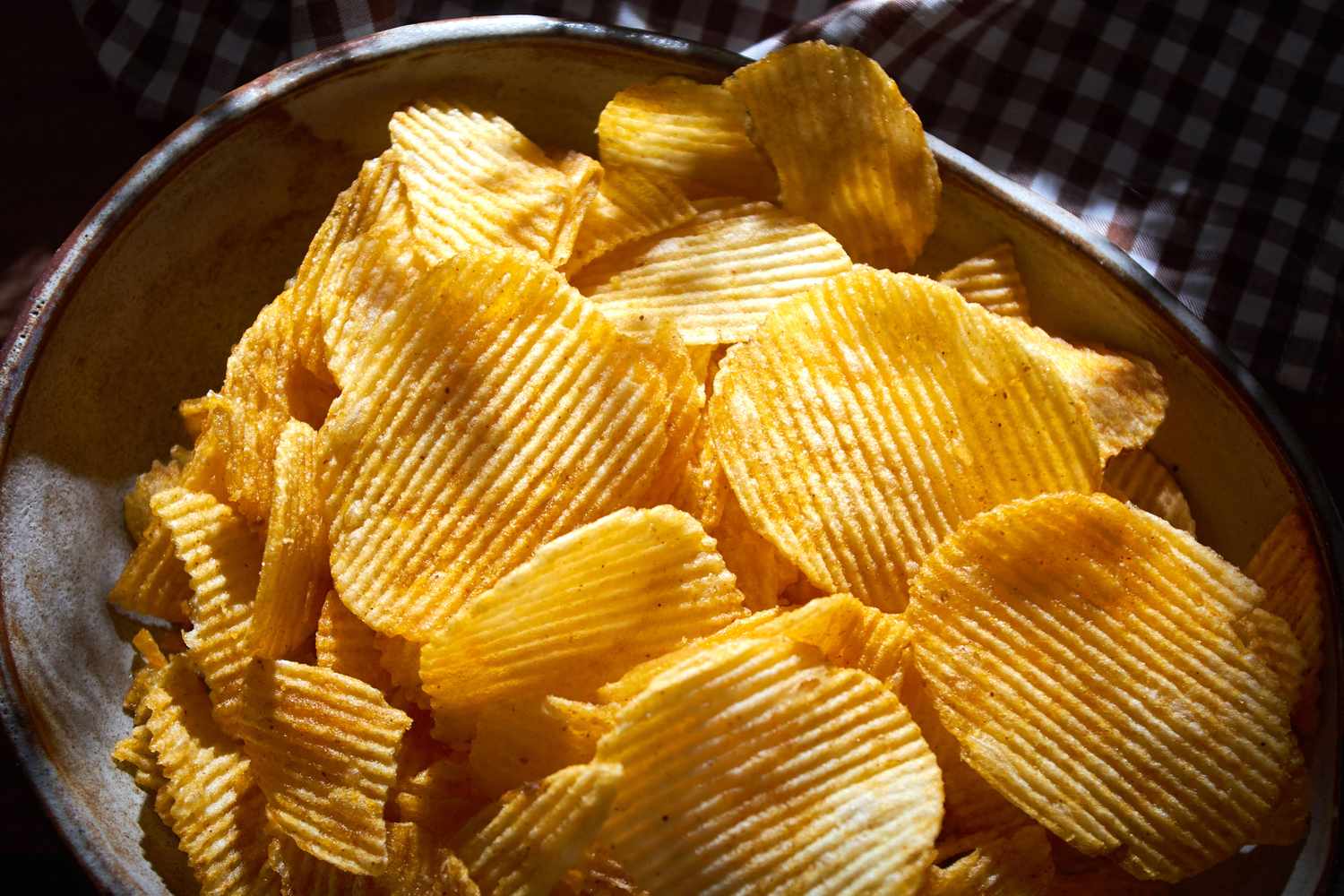
The data revealed that adults who consumed the highest amount of plant-based foods that were ultra-processed — such as chips, sweetened fruit drinks, soda made from plant extracts, sugary breakfast cereals, and other sweets — had a roughly 40% higher risk of developing cardiovascular disease compared with those who primarily consumed plant-based foods with little or no industrial processing.
There is good news too: Participants with diets that were rich in plant-based foods made with minimal industrial processing had about a 40% lower risk of cardiovascular disease than those who consumed more animal-based foods and fewer processed plant-based products.
GAnnison / Getty Images
The researchers noted that it’s important to be cautious of seemingly “healthy” plant-based meals. They found that even when meals appeared to be healthy, “People who ate larger amounts of plant-based foods that were nutritionally higher quality but ultra-processed, including items such as industrial wholemeal breads, store-bought soups, ready-made pasta dishes, or commercially prepared salads with dressing, did not experience a reduced cardiovascular risk relative to individuals who consumed fewer of these products and more animal-based foods.”
The results indicate that more work is needed to help both consumers and scientists understand the relationship between diet and cardiovascular health and how the degree of processing a food product undergoes can affect your body. For now, the team asserts that these findings “support public health recommendations that encourage the consumption of plant-based foods that are both nutritionally high quality and minimally processed.”