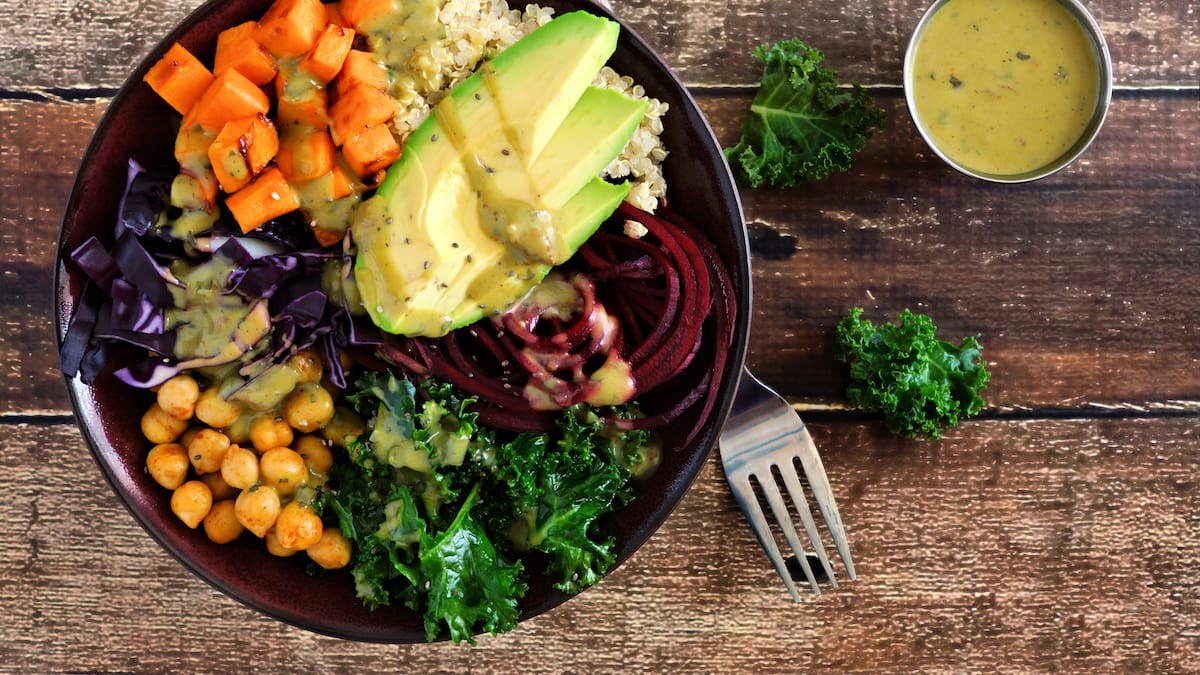
At its best, plant‑based eating is less about restriction and more about re‑centering the plate around foods that are familiar, affordable and nourishing. Photo / Getty Images
Once, “plant-based” eating meant lentils, sandals and the moral high ground. Now it’s a booming food movement for everyone. A quick scroll of #plantbased TikTok serves up chickpea curries, “next level” vegan beef, broccoli-stem hacks, and plant-based protein powders promising near-miraculous gains. Which raises an obvious question: is
“plant-based” automatically healthier – or just better marketed?
What we know is that a well-balanced vegetarian diet, rich in vegetables, fruits, wholegrains, legumes, nuts, seeds and low-fat dairy and eggs is typically high in dietary fibre, carotenoids, folate, vitamin C and E, magnesium and omega-6 fatty acids, according to a 2006 study in the journal Proceedings of the Nutrition Society. At the same time, these diets tend to provide lower amounts of saturated fat, protein, omega-3 fatty acids, retinol, vitamin B12 and zinc.
Clinical trials have found vegetarian diets have positive effects on blood pressure, blood-glucose control and LDL cholesterol. This may explain in part why observational studies consistently associate vegetarian diets with a lower risk of cardiovascular disease, diabetes, hypertension and dementia. A major review published last February in the British Journal of Cancer found that vegetarians with a well-planned diet had a lower risk of cancers of the pancreas, breast, prostate, kidney and multiple myeloma.
Still, choosing plant-based foods or calling yourself a “vegetarian” doesn’t automatically confer good health. These labels can describe widely different eating patterns, ranging from carefully planned whole-food diets to the slap-happy avoidance of animal products paired with a heavy reliance on ultra-processed foods. A 2023 study published in the European Heart Journal found that unhealthy vegetarian diets, low in key nutrients such as vitamin B12, iron, zinc, and calcium, and/or high in refined and processed foods were associated with poorer health outcomes and a shorter lifespan.
So what’s the difference between healthy plant-based foods and unhealthy versions?
As a 2014 review published in the Annual Review of Public Health noted, “A diet of minimally processed foods close to nature, predominantly plants, is decisively associated with health promotion and disease prevention.” However, that’s quite different from a diet of ultra-processed plant-derived foods. When we focus on a single attribute: “plant-based”, we simply find new ways to eat badly. In response to consumer demand, the food industry has delivered a growing range of ultra-processed products wrapped in green language. Take this ingredients list for a “plant-based” chicken substitute:
Water, textured soy protein (non-GMO) (soy, gluten), isolated soy protein (non-GMO) (soy), soy oil, cane sugar, vegan flavours, yeast extract powder, hydrolysed vegetable protein, maltodextrin, vegan seasoning agent, cabbage extract powder, enzyme (transglutaminase).
Many of these ingredients would have been unfamiliar in our grandparents’ kitchen and place the product firmly in the ultra-processed category. Given the accumulating evidence linking high ultra-processed food intake with poorer health outcomes, it pays to look beyond the label.
Healthy eating doesn’t need to be complicated – whether it’s plant-based or not. Scientists agree on the fundamentals of a healthy diet – it contains minimally processed foods that are predominantly plant-based – not a heavy reliance on ultra-processed foods. So choose foods with shorter ingredients lists; those with a one-word ingredient, like broccoli or apples, are the gold standard. But equally, wholegrain bread can make the grade, with an ingredients list likely to include wholegrain wheat, yeast, salt and water. The idea is to slowly shift your diet step by step to more wholesome, natural foods, by:
• Swapping from refined cereals and grains to whole grains
• Eating more legumes and oily fish
• Choosing reduced-fat dairy products
• Eating healthy fat sources such as nuts, seeds and plant oils (other than coconut and palm), avocado and oily fish in place of animal fats
• Eating more vegetables and fruit.
At its best, plant‑based eating is less about restriction and more about re‑centering the plate around foods that are familiar, affordable and nourishing. As with most nutrition questions, the answer isn’t about extreme (or fashionable) changes in diet: just eat more real food and don’t assume “plant-based” packaging claims automatically means better health.