Key Takeaways
- Many plant-based foods offer more protein per serving than an egg, as well as fiber not found in animal products.
- On a plant-based diet, you can meet your daily protein needs by eating a variety of legumes, grains, soy, and seeds throughout the day.
- Before making major changes to your diet, talk with your healthcare practitioner about your individual protein needs and how to achieve them safely.
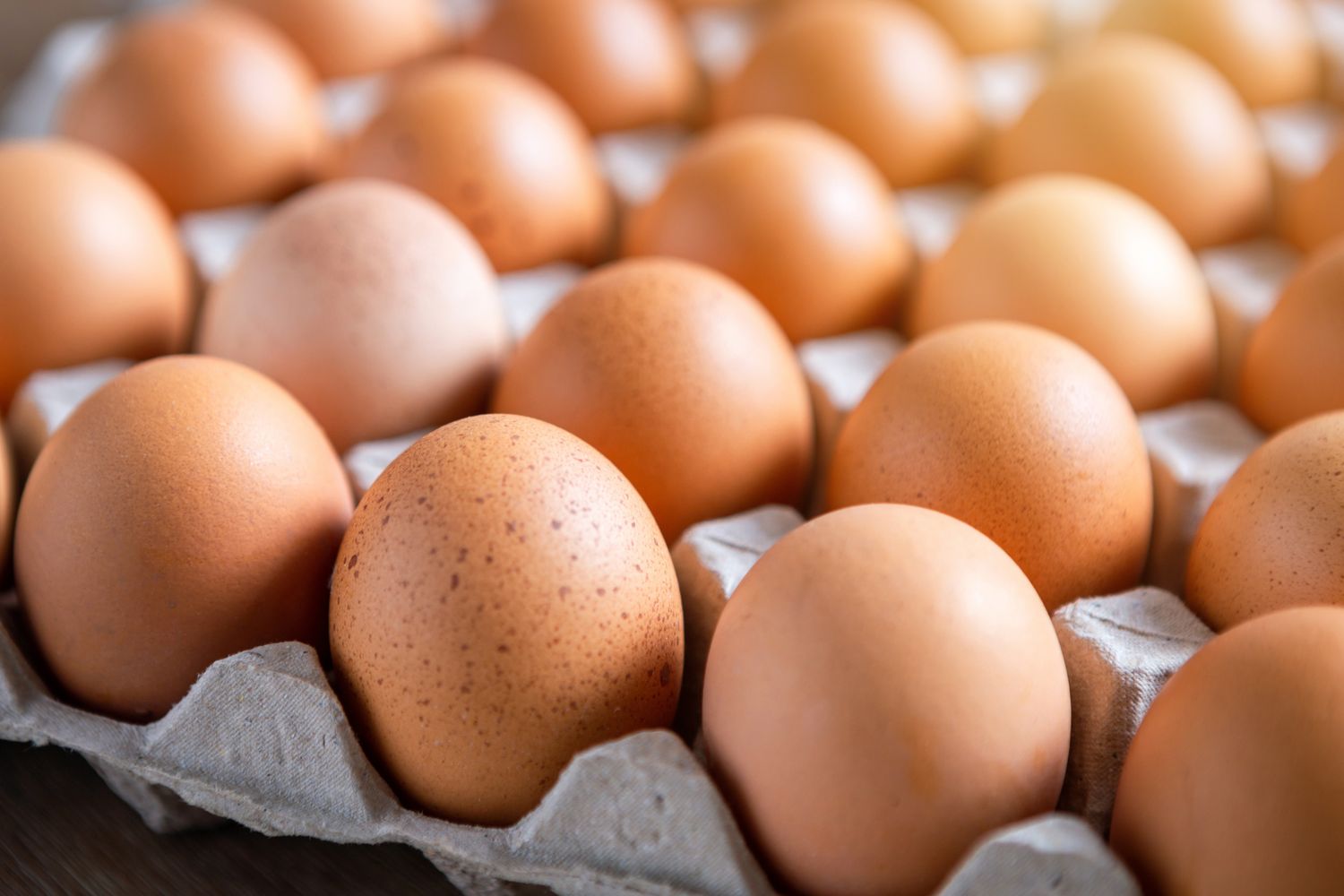
An egg contains between 6 and 7 grams (g) of protein. However, if you follow a plant-based diet or simply want to eat more plant-based foods, some animal-free protein options provide just as much (if not more) protein as an egg.
1. Tempeh
danikancil / Getty Images
Serving: 85 g, or 3 ounces (oz)
Protein: 18 g
Tempeh is a fermented soy product with a firm texture and slightly nutty flavor. Thanks to its whole soybean base, it’s rich in protein and also provides gut-friendly probiotics, which are good bacteria important for your digestive health and overall wellness.
2. Seitan
Adela Srinivasan / Getty Images
Serving: 85 g (3 oz)
Protein: 15 g
Made from vital wheat gluten, seitan is one of the highest-protein plant foods available. Its chewy, meat-like texture makes it a simple swap in savory dishes that traditionally call for meat. Just remember that because it contains gluten, it’s not a good choice for people with a gluten intolerance or Celiac’s disease.
3. Oats
Yevgen Romanenko / Getty Images
Serving: 85 g (~1 cup)
Protein: 11 g
Rolled oats are more than just a cozy breakfast food. You may be surprised that they pack a decent amount of protein, with 11 grams per cup. Oats also contain fiber, iron, and beta-glucan, a soluble fiber supporting heart and digestive health.
4. Soybeans
Asobinin / Getty Images
Serving: 85 g (1 cup)
Protein: 10 g
Soybeans are an excellent source of protein. While many plant-based protein foods are limited in specific essential amino acids, soy contains a desirable amount of all nine. You can typically find young soybeans—edamame—in the grocery store’s frozen section.
5. Tofu
Yuuji / Getty Images
Serving: 85 g (~1/5 of a block)
Protein: 8.5 g
Tofu is another soy-based option. It comes in silken (soft and creamy), firm, and extra firm varieties. Its neutral taste adapts well to any flavor, making it a versatile protein choice.
6. Lentils
LauriPatterson / Getty Images
Serving: 85 g (~1 cup)
Protein: 8 g
Lentils are legumes, in the same food family as beans and peas. They’re full of protein, iron, and fiber. Dried lentils cook quickly and take on a variety of seasonings well, but you can also buy them canned and pre-cooked.
7. Black Beans
Krit of Studio OMG / Getty Images
Serving: 85 g (~1/3 cup)
Protein: 6 g
Black beans are an inexpensive, easy-to-find, and nutrient-rich source of protein. They’re also high in antioxidants and fiber.
8. Chickpeas
Ivannag82 / Getty Images
Serving: 85 g (~1/3 cup)
Protein: 6 g
Chickpeas (garbanzo beans) are a staple in many dishes worldwide and are a simple and inexpensive protein source.
How to Add More High-Protein, Plant-Based Foods Into Your Diet
Breakfast
Start your day off with these plant protein breakfast options:
- Chickpea flour pancakes or omelets made with mung bean-based egg alternatives.
- Oatmeal upgraded by stirring in chia seeds, flax, hemp seeds, or a scoop of peanut butter.
- Protein smoothies with soy milk, plant protein powder (made from pea or soy), or silken tofu.
- Quinoa breakfast bowls with berries, almond butter, and hemp seeds.
- Tofu scramble instead of eggs, flavored with turmeric, black salt, nutritional yeast, and veggies.
Lunch
Midday is the perfect time to satisfy your stomach with plant protein:
- Chickpea salad in lettuce cups or on whole grain bread.
- Grain bowls with quinoa, edamame, black beans, and a tahini dressing.
- Lentil soup or chili served with whole grain toast.
- Stuffed pita pockets with falafel, hummus, and crunchy veggies.
- Tempeh or extra firm tofu sandwich with avocado and greens.
Dinner
The last meal of the day is one of the easiest places to swap or add plant protein:
- Bean-based tacos or burrito bowls, topped with guacamole and salsa.
- Pasta with lentil or walnut “meat” sauce.
- Seitan stir-fry with broccoli, bell peppers, and brown rice.
- Tofu curry over steamed veggies and quinoa.
- Vegan shepherd’s pie with lentils and mashed sweet potatoes.
Snacks
If you need a pick-me-up between meals, make a nutritious snack by pairing healthy fat with some plant proteins and fiber, like those below:
- Edamame with sea salt.
- Hummus and whole grain crackers or carrot sticks.
- Soy-based yogurt topped with nuts or granola.
- Trail mix with almonds, pumpkin seeds, dark chocolate pieces, and dried fruit.
How Much Protein Do You Need a Day?
The Recommended Dietary Allowance (RDA) for average healthy adults is to aim for at least 0.8 grams per kilogram of body weight, or 0.36 grams of protein per pound. For a 150-pound adult woman, this would be approximately 55 grams of protein per day.
However, some research indicates that a goal of 1.2 to 1.6 grams per kilogram per day of high-quality protein is more optimal. For that same 150-pound woman, this translates to 82-109 grams of protein per day.
That said, protein requirements vary between individuals and depend on age, sex, health status, and activity level. It can also increase for specific body composition goals, like dropping body fat and increasing lean muscle mass.
Wherever your goals fall, you can rest assured that you can meet your protein needs, whether you consume animal products or not.
:max_bytes(150000):strip_icc()/Lpanoffverywellphoto-f71f0b5c487943a382bbbdabc0a2fc1d.jpg)