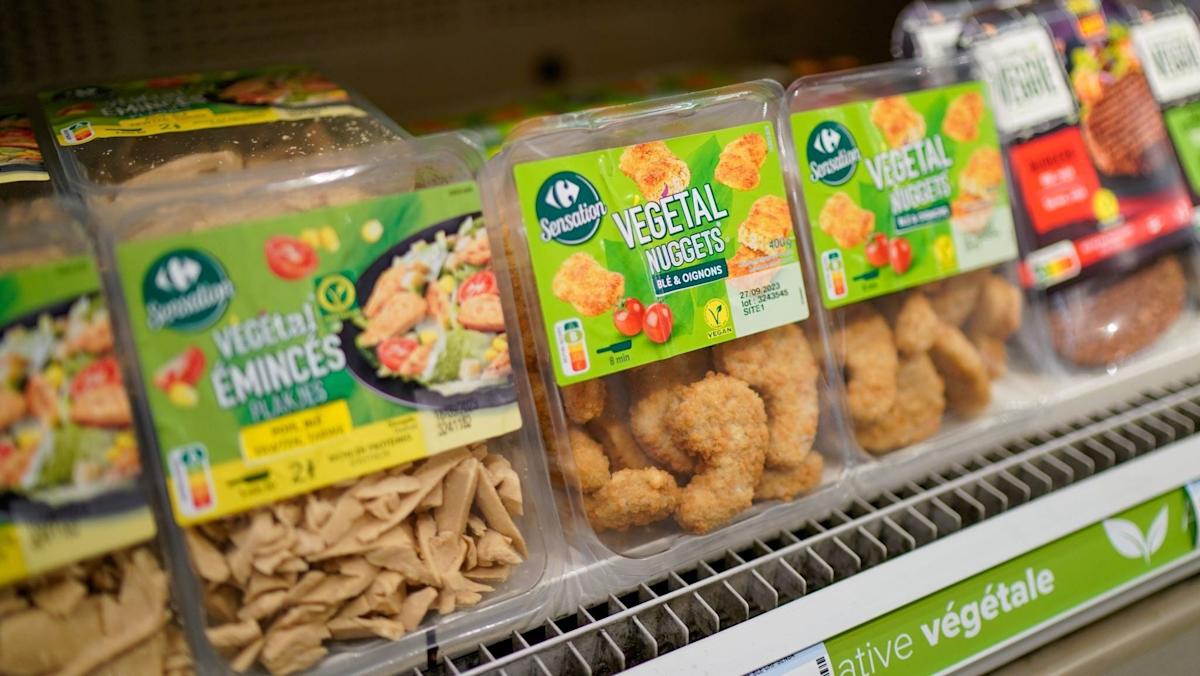
The convergence of rising health consciousness and the increasing adoption of GLP‑1 drugs has created a turning point for global diets. As drugs like semaglutide reshape eating habits by reducing appetite, consumers are leaning toward nutrient-dense, lower-calorie foods – a demand that plant-based products are uniquely placed to meet.
This shift isn’t just about health; it’s reshaping markets. With 61% of Americans already increasing their protein intake and most planning to consume even more, the opportunity for innovation in pea, soy, and mycelium-derived proteins has never been stronger.
But the movement isn’t limited to the US. According to research published last year by the FMCG Gurus consultancy, in Europe, nearly 30% of consumers are cutting back on meat, while a survey from the think tank Food Frontier says 22% of Australians are embracing flexitarian and vegan diets.
At the same time, according to UK charity The Food Foundation, 96% of UK consumers are not consuming enough fibre. However, there is growing interest in the ingredient, giving rise to the “fibremaxxing” trend on social media, led by cooking influencers and nutritionists. Given that a portion of beans contains 100% more fibre than a chicken breast and 2.5 times more than a slice of white bread, the advantages of plant-based foods are clear.
Policymakers and scientists are rallying behind plant-forward nutrition. The EAT-Lancet Commission recommends we consume 550 kcal of plant-based proteins daily. The Food Foundation has found UK bean consumption would need to be seven times higher to align with a planetary health diet.
FAIRR is an investor network that raises awareness of the materiality risks and opportunities in intensive livestock production. Its latest report, Feeding Change: Building a Resilient Food System Through Protein Diversification, finds 70% of food retailers and manufacturers identify health and wellness as one of the most material issues to their business. For investors and food producers, it’s not just an ethical evolution but a financial opportunity: a chance to align profitability with planetary and public health.
FAIRR ‘s recent research reveals 90% of global food companies are still actively trialling new plant-based product launches – a clear sign that diversification is no longer experimental but central to corporate strategy. Non-dairy innovations were the standout category in 2025, spanning milk, cheese, cream, and premium plant-based chocolate. In keeping with consumer trends towards healthy food options, plant-based dairy alternatives are often lower in saturated fat and higher in fibre than the animal counterparts.