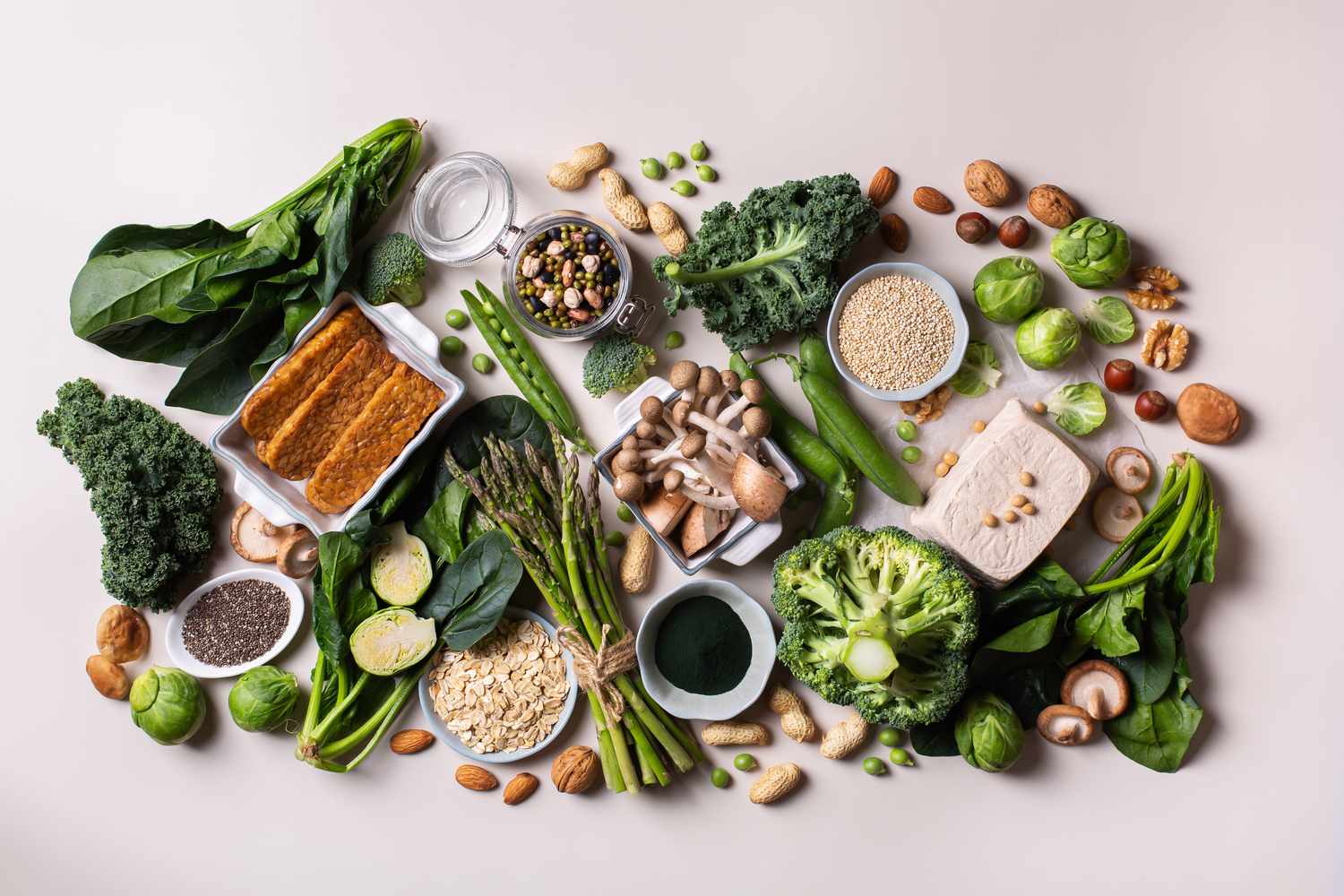
Replacing meat with plant-based protein may have several health benefits, including improved heart and gut health, lower blood pressure, and a reduced risk of diabetes. Good sources of plant-based protein include nuts, beans, legumes, soy, and quinoa.
1. Reduces Risk of Diabetes
Eating more plant foods may improve your body’s insulin sensitivity, which refers to how effectively your cells can use and respond to insulin. People with poor insulin sensitivity are at an increased risk of type 2 diabetes because they tend to have chronically high levels of blood sugar (glucose) and insulin.
One study found that eating a low-fat, plant-based diet can improve insulin sensitivity and lower the risk of type 2 diabetes. Consuming a diet rich in animal protein may increase the risk of obesity and type 2 diabetes.
2. Supports Heart Health
A plant-based diet is a proven way to support heart health and reduce the risk of heart disease. Red meat is rich in saturated fat, which raises blood triglyceride and cholesterol levels. This can harm the blood vessels and lead to a heart attack or stroke over time.
Following a plant-based diet may reduce cholesterol and oxidative stress, which can lead to cell damage. Switching to a plant-based protein may lower the risk of heart disease and reduce inflammation. People who eat more plant-based protein than meat are at a lower risk of a heart attack.
Consider replacing meat with plant-based protein for one meal per week, then gradually increase your plant-based intake from there.
3. Lowers Blood Pressure
Plant foods are rich in antioxidants, compounds that reduce inflammation and support cell health. Antioxidants may support blood vessel health, keeping them flexible and relaxed, thereby lowering blood pressure and improving heart health.
Research found that plant-based diets reduce the risk of high blood pressure (hypertension). Eating a diet rich in plant-based foods may help you consume fewer calories each day, which in turn helps lower blood pressure.
4. Helps Weight Loss
Replacing some of the meat in your diet with plant foods may help you to achieve and maintain a healthy weight. People who follow a plant-based diet tend to consume fewer calories each day. They may also have lower cholesterol levels and a healthier balance of gut microorganisms.
Eating a protein-rich diet can help with weight loss. Consuming enough protein, whether from animal or plant sources, has been found to regulate hunger levels.
5. Improves Gut Health
Plant-based protein sources like nuts, beans, and other legumes are good sources of fiber, a plant-based carbohydrate that supports digestion. Increasing your fiber intake has been linked to improved gut health and digestion. Eating more fiber can:
- Prevent constipation
- Lower cholesterol levels
- Protect against certain types of cancer
The body cannot fully digest fiber. Instead, it moves through the digestive system, where it helps support healthy digestion. Some types of fiber add bulk and help maintain regular bowel movements, while others slow digestion. Some types of fiber add bulk and help maintain regular bowel movements, while others slow digestion to help control blood sugar and cholesterol levels. Meat is very low in fiber, so replacing it with plant-based protein is a gut-healthy choice.
Risks of a Plant-Based Diet
Replacing meat with plant-based protein offers several health benefits. However, meat is rich in protein and other nutrients. Limiting or avoiding meat may result in certain nutrient deficiencies.
People who follow a vegetarian or vegan diet may be at risk of not getting enough protein, iron, and vitamin B12. If you do not eat dairy products, you may experience low levels of calcium.
Meat is a complete protein, meaning it provides all nine essential amino acids needed for muscle health and growth. Plant proteins also contain essential amino acids, but some may have lower amounts of certain amino acids. Eating a variety of plant-based protein foods can help ensure adequate intake.
Consider meeting with a dietitian or nutritionist to ensure you consume enough protein and other nutrients while following a plant-based diet.
Sources of plant-based protein include:
- Soy
- Nuts
- Beans
- Seeds
- Quinoa
- Peas
- Oats
:max_bytes(150000):strip_icc()/carriemadormo3-0d20d62434bb4344bdea385664529e28.jpg)