The use of GLP-1 weight loss drugs like Mounjaro and Ozempic is growing around the world. According to a 2025 KFF Health Tracking Poll, around one in eight adults in the US are currently taking these medications for a range of reasons, including diabetes management and weight loss.
But according to British online doctor service Zava, some experts are concerned that without careful planning, people following a plant-based diet could miss out on key nutrients.
Research suggests that plant-based diets can be balanced, healthy, and beneficial when followed correctly. But like any eating pattern, it’s important to pay close attention to nutrition—especially when taking weight loss medications, which can suppress appetite and potentially increase the risk of nutrient deficiencies.
To explore the topic further, we combined guidance from Crystal Wyllie, MBBS, of Zava, with insights from two nutrition experts: Sydney Lappe, MS, RDN, a registered dietitian with more than a decade of experience, and Jody-Ann McLean, MBBCh, a medical doctor and health writer. Together, they shared the key dos and don’ts of following a plant-based diet while taking weight loss medications like Ozempic.
Isa Chandra Moskowitz
Don’t: underestimate protein
Wyllie: “For people following a vegan diet or using weight loss medications like Mounjaro, protein helps the body adapt to changes in appetite and supports recovery, immunity, and overall well-being. Including protein at every meal can make it easier to maintain strength and energy while staying on track with your dietary goals.”
Lappe: “Because appetite is often lower on these medications, it becomes even more important to prioritize protein and nutrient-dense foods throughout the day. Aiming for 20 to 30 grams of protein per meal is a solid target to support muscle maintenance and overall nutrition during weight loss.”
McLean: “Vegan diets can work well on GLP-1s, but you need to plan your diet, making sure you have enough protein-dense plant foods like lentils, beans, tofu, and edamame.”
If you’re looking for guidance on how to boost your protein intake without meat, we’ve got you covered. Check out some of our favorite high-protein recipes here, or dive into our guide to surprisingly protein-packed plant-based ingredients (did you know guava and spinach both contain a meaningful amount of protein?). Prefer to drink your protein? We’ve got that covered, too—find the VegNews guide to the plant-based milks with the most protein here.

Terry Hope Romero
Do: Prioritize whole foods
Wyllie: “[Meal] examples include oatmeal with berries and chia seeds for breakfast, hummus with vegetable sticks as a snack, lentil or chickpea salads for lunch, and quinoa or brown rice bowls with vegetables for dinner. Incorporating fiber-rich snacks like nuts, seeds, and dried fruit can also help support satiety between meals while complementing medical weight-loss support.”
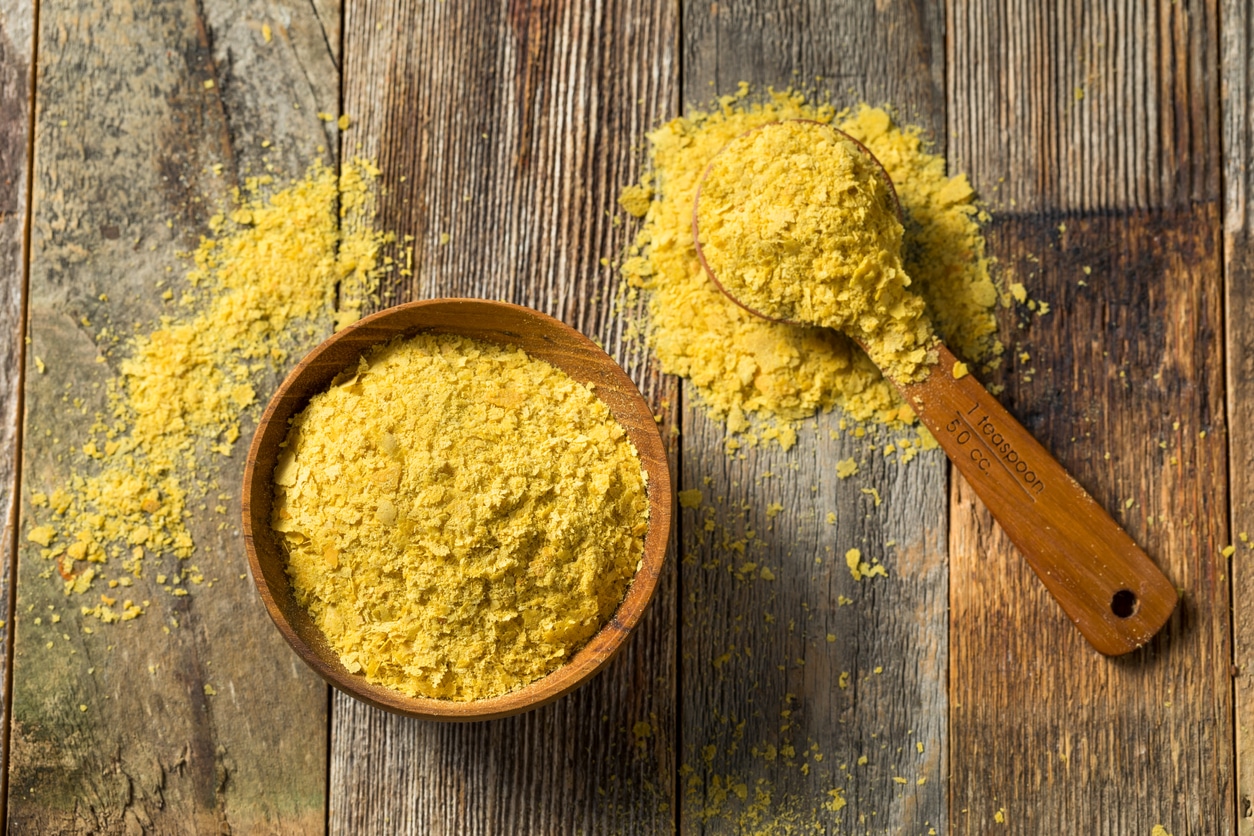
Lappe: “Some of the most nutrient-dense vegan options include tofu, tempeh, edamame, lentils, beans, soy milk, nuts, seeds, nut butters, and fortified foods like plant milks or nutritional yeast, since they provide concentrated sources of protein, iron, calcium, healthy fats, and other key nutrients. Supplements—like protein powders, shakes, and bars—can also help fill nutritional gaps when appetite or intake is low.”
McLean: “A big misconception is that because you’re eating less on Ozempic, the quality of what you’re eating matters less, too. It’s usually the case that the opposite is true. When your overall intake drops, it would help for the food you’re eating to have more nutritional value.”
For more tips on increasing your intake of plant-based whole foods, check out our guide to swapping meat for whole food alternatives here, complete with plenty of recipe inspiration. You can also explore our recipe database for an abundance of whole food-focused dishes.
 Getty
Getty
Don’t: Neglect your daily intake of nutrients (not just protein)
Lappe: “Certain nutrients may require closer attention when combining a vegan diet with GLP-1 medications like Ozempic or Wegovy, especially because overall food intake is often lower. Some of the biggest ones include vitamins B12 and D, iron, calcium, zinc, iodine, and omega-3 fatty acids, along with adequate protein overall.”
Wyllie: “Spreading B12 intake throughout the day, rather than relying on a single large dose, can help maintain consistent energy levels. Regular monitoring, particularly during weight loss periods, ensures nutritional needs are met safely while supporting both health and weight-management goals.” They added: “Vegan sources of iodine include iodised salt, seaweed such as nori, kelp, and wakame, and fortified plant milks or breads. Including these foods regularly can help support thyroid health and metabolism, particularly for those using weight-loss medications, where steady energy levels are important.”
McLean: “Even though the medication does help your appetite, the foundation for metabolic health still comes from lifestyle habits like good food quality, enough protein, fibre, healthy fats, and micronutrients.”
VegNews is full of nutrition guidance to help support your plant-based journey. Check out our guide to five easy ways to get enough B12 in your diet, for example, or explore our breakdown of omega-3 fatty acids here. That said, it’s always important to discuss any dietary changes or nutrition concerns with your healthcare provider, too.
 Getty
Getty
Do: Think beyond weight loss
McLean: “The metabolic benefits of GLP-1s and the cardiovascular benefits of a plant-based diet could actually be complementary if it’s carefully balanced. There’s some evidence showing that a diet focused on whole foods and plants may contribute to improving cardiovascular outcomes through better lipid profiles, lowering inflammation, and improving insulin sensitivity.”
Lappe: “While there isn’t research on vegan diets combined with GLP-1 medications (at least to my knowledge), both are independently linked to improved metabolic and cardiovascular health beyond weight loss alone. GLP-1 medications can help improve blood sugar, cholesterol, blood pressure, inflammation, and cardiovascular risk, while well-planned vegan diets are also associated with benefits like lower LDL cholesterol, improved insulin sensitivity, and better overall heart health.”
An abundance of research supports the benefits of eating more plant-based foods, although it’s true that research specifically on weight loss drugs and vegan diets remains limited—for now, at least. Still, if you want to learn more about how a plant-based diet can support overall health, check out our guide to why vegan diets benefit heart health, as well as our deep dive into the link between plant-based eating and reduced cancer risk. Plus, you can find even more health news and guides here.
 Unsplash
Don’t: panic over perfection
Lappe: “Everyone’s ‘realistic’ day will look a little different, but for many people, it includes balanced, protein-focused meals and snacks spread throughout the day.
Here’s one realistic example:
Breakfast: A protein smoothie with soy milk, protein powder, berries, and chia seeds.
Lunch: A grain bowl with tofu or edamame, vegetables, and a sauce or dressing for healthy fats and flavor.
Dinner: Lentil soup with whole grain toast or a tofu stir-fry.
Snacks (often around 2 per day, depending on appetite): Soy yogurt, roasted edamame, nuts, or a protein bar.”
For more meal-planning inspiration, check out our expert-led guide here. And one more tip: if you don’t want to learn a whole new repertoire of recipes, Zava recommends sticking with the dishes you already love and simply swapping the protein. Red lentil marinara spaghetti, anyone? Beet burgers? Dairy-free banana ice cream? You get the gist.
For more plant-based stories like this, read:

Charlotte is a VegNews editor and writer based in sunny Southsea on England’s southern coast.